
what is the purpose of low e glass
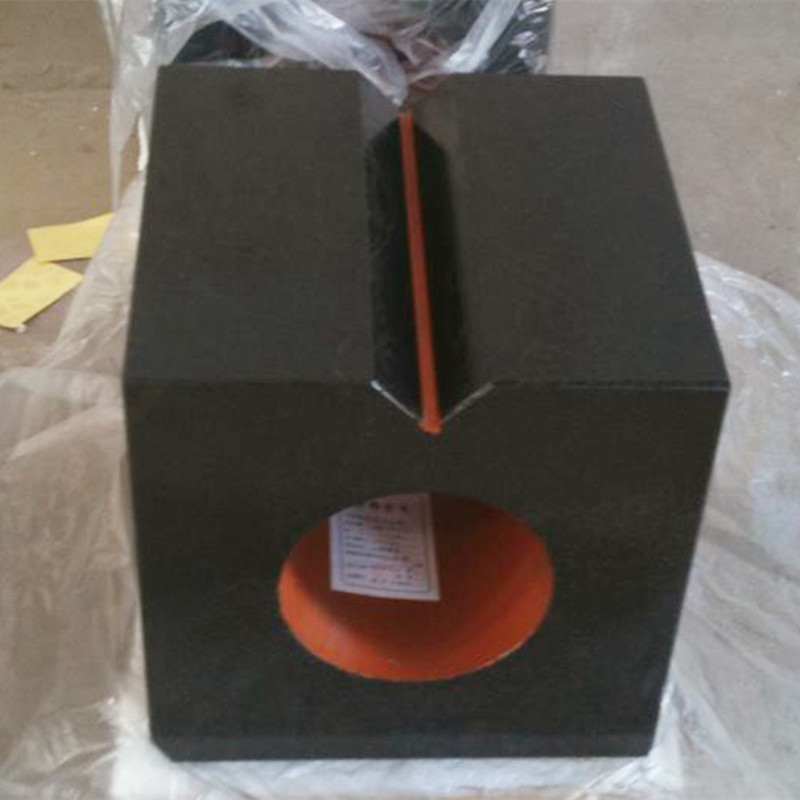
Understanding Taper Gauges A Focus on Taper Gauge 1 15mm Taper gauges are essential tools in various industries, especially in metalworking, woodworking, and engineering. They serve as precise measurement instruments that help professionals and hobbyists achieve accurate readings in their projects. Among the various types of taper gauges available, the Taper Gauge 1 15mm stands out due to its unique specifications and broad range of applications. In this article, we will delve into the significance of taper gauges, explore the specific features of the Taper Gauge 1 15mm, and discuss its practical applications and benefits. What is a Taper Gauge? A taper gauge is a tool used to measure the reflected dimensions of tapered surfaces, such as those found in machinery parts or tools. Unlike standard straight measuring tools, taper gauges are designed to accommodate the gradual change in diameter along a length, allowing for more accurate readings. This characteristic makes them indispensable in settings where tapered parts are prevalent. Taper gauges typically have a series of graduated markings that indicate specific measurements, making it easy for users to gauge size and depth. Features of the Taper Gauge 1 15mm The Taper Gauge 1 15mm provides a reliable and practical solution for measuring tapered dimensions. Here are some of its notable features 1. Design and Construction The Taper Gauge 1 15mm has a robust construction that ensures durability and longevity. It is typically made of high-grade stainless steel or hardened tools steel, allowing it to withstand rigorous use without compromising accuracy. The gauge is designed with a tapered end that can easily fit into narrow or confined spaces, facilitating precise measurements. 2. Graduated Markings The gauge features clear, graduated markings, often in both metric and imperial units, which helps users easily interpret measurements. This dual scale is beneficial in diverse industries where different measurement systems are used. 3. Precision Measurement With a taper length of 15mm, this gauge is ideal for reaching detailed areas of various components. Its design ensures that users can accurately measure angles and profile shapes, offering precision that is crucial in engineering and assembly work. taper gauge 1 15mm 4. Portability The Taper Gauge 1 15mm is lightweight and compact, making it easy for professionals to carry it to job sites or keep it in toolboxes. This portability ensures that precise measurements are always accessible, enhancing workflow efficiency. Practical Applications of the Taper Gauge 1 15mm The Taper Gauge 1 15mm proves useful in numerous applications across different fields 1. Engineering and Manufacturing In these sectors, taper gauges are critical for quality control. Engineers use taper gauges to verify that parts meet specifications before assembly. Ensuring that components fit together correctly prevents errors later in the manufacturing process, minimizing waste and increasing productivity. 2. Woodworking Woodworkers frequently use taper gauges when shaping wood or constructing furniture. The taper is essential in creating joints and ensuring that pieces align correctly. Accurate measurements lead to better-fitting pieces, resulting in higher-quality craftsmanship. 3. Tool Maintenance Maintenance professionals utilize taper gauges to gauge wear on tools and machinery. Regular checks using taper gauges help identify issues early, allowing for timely maintenance and repairs. 4. Education and Training The Taper Gauge 1 15mm can also serve as a teaching tool in vocational training programs. By using such gauges, students can learn the importance of precision in measurements and develop skills that will be vital in their future careers. Conclusion The Taper Gauge 1 15mm is a vital tool that epitomizes precision measurement. Its durability, accurate graduations, and ease of use make it an indispensable asset across many industries. Whether in engineering, woodworking, or tool maintenance, taper gauges play a critical role in ensuring that projects meet the highest standards. Understanding and utilizing tools like the Taper Gauge 1 15mm ensures better quality control and craftsmanship, ultimately contributing to the success of various endeavors. As industries continue to evolve, the significance of precision instruments like taper gauges will remain paramount in achieving excellence.
about
what is the purpose of low e glass
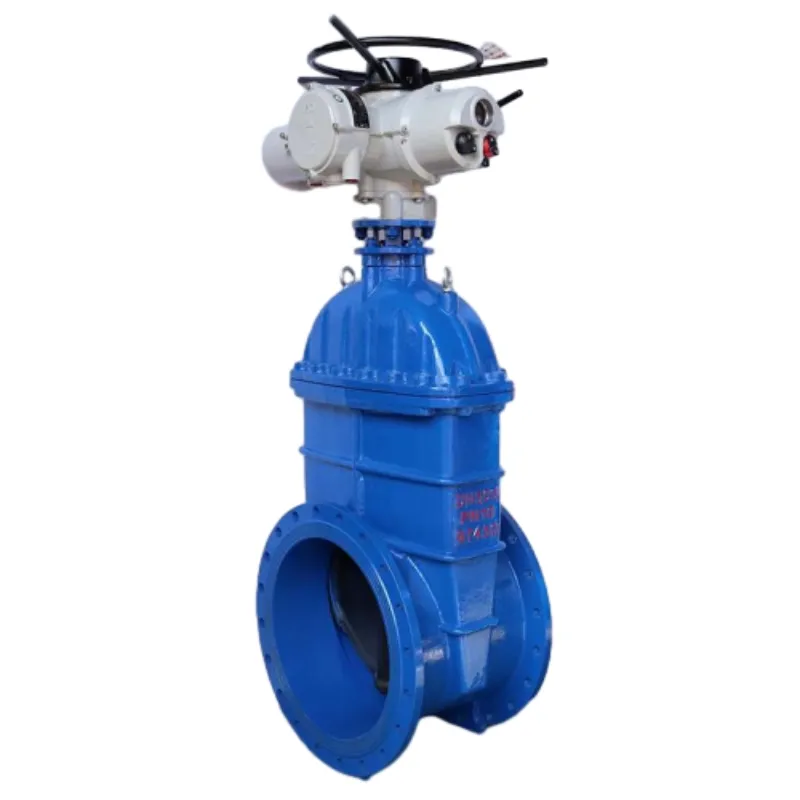
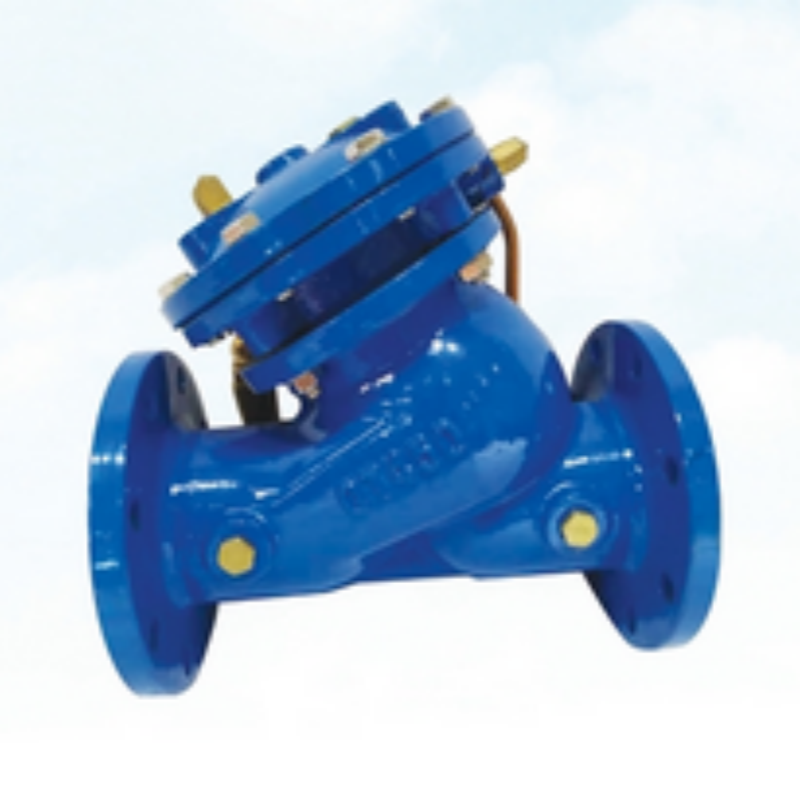
Various Types of Control Valves Control valves play a crucial role in various industrial processes by regulating the flow of fluids in a system. These valves can control parameters such as pressure, temperature, and flow rate, ensuring the efficiency and safety of the operation. There are several types of control valves, each designed for specific applications and operational requirements. 1. Globe Valves Globe valves are among the most common types of control valves. They are characterized by their spherical body shape and are excellent for throttling flow. The design allows for a significant degree of control over flow rates, making them ideal for applications where precise regulation is necessary. However, they can cause pressure drops, so their use may be limited in high-flow scenarios. 2. Ball Valves Ball valves are known for their quick operation and low-pressure drop characteristics. They consist of a spherical ball with a hole through the center, allowing for straightforward flow control. While traditional ball valves provide only two positions (open and closed), control ball valves have varied port configurations to allow for flow modulation. They are typically used in applications requiring fast on/off control, such as in the oil and gas industry. 3. Butterfly Valves various types of control valves Butterfly valves feature a rotating disk that can be turned to control flow. These valves are compact and lightweight, making them advantageous in systems with limited space. They allow for quick operation and can be used in large diameter pipes. However, butterfly valves are generally less effective for throttling applications compared to globe or ball valves. 4. Gate Valves Gate valves are designed for fully open or fully closed positions, meaning they are not ideal for flow regulation. However, they are used in applications where flow needs to be interrupted completely. Their design minimizes pressure drop, making them suitable for high-flow systems. 5. Diaphragm Valves Diaphragm valves use a flexible diaphragm to regulate fluid flow. They are particularly useful in applications involving corrosive fluids or slurries, as the diaphragm can provide a sealing mechanism that prevents leakage. Diaphragm valves are known for their ability to handle varying pressure, making them ideal for pharmaceutical and food processing industries. Conclusion Choosing the right type of control valve is essential for the efficient operation of any fluid handling system. Each valve type has its unique advantages and disadvantages, and the selection should be based on the specific requirements of the application, including pressure, temperature, flow rate, and the nature of the fluid involved. Understanding these various types of control valves can help engineers and operators make informed decisions for their industrial processes.
-

High quality industrial productsagement

High quality industrial products
View Details -

Meet the diverse needs of customers

Meet the diverse needs of customers
View Details -

Strict quality control

Strict quality control
View Details -

Top raw materials

Top raw materials
View Details -

Trusted supplier

Trusted supplier
View Details
Our application
news and information
Valvola a sfera bilanciata per un controllo ottimale del flusso nei sistemi idraulici
Valvole a Globo Bilanciate Funzionamento e Vantaggi Le valvole a globo bilanciate rappresentano un e

Wholesale Supply of High-Quality Ball Valves for Various Industrial Applications
The Wholesale Market for Ball Valves An In-Depth Analysis Ball valves are essential components in va

Válvula de puerta de 450mm
Válvula de compuerta de 450 mm Una Solución Eficiente para el Control de Fluido Las válvulas de comp
 English